 021- 31589128
 info@yidahospital.com
 Chinese



Department Introduction
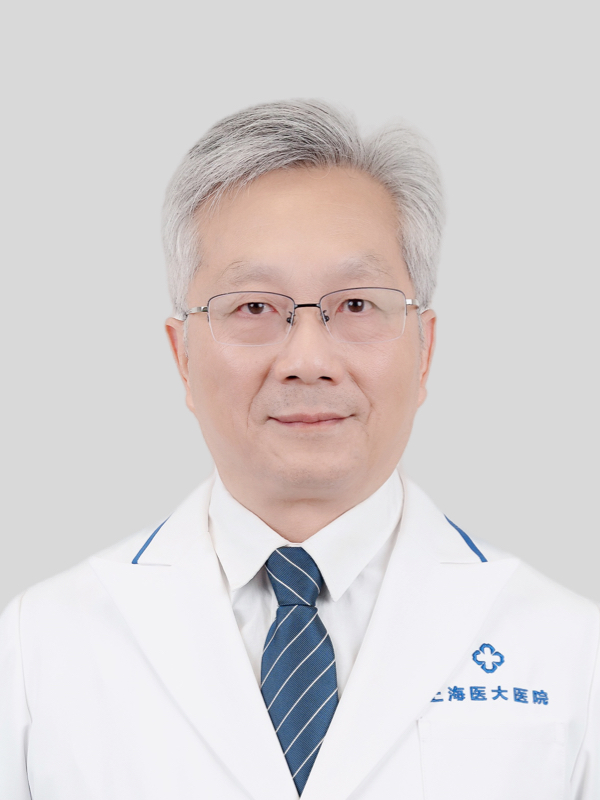
The Department of Gastroenterology and Endoscopy Center of Shanghai Yida Hospital is led by Cheng Jilin, a Chief Physician, a professor at Fudan University, a doctoral supervisor, and a scholar who returned from Harvard Medical School in the United States and the Department of Gastroenterology and Hepatology of Massachusetts General Hospital. Along with a group of doctoral and master's degree holders, he is the key force in the team. The department is particularly outstanding in the diagnosis and treatment of gastrointestinal diseases, liver diseases, and endoscopic procedures. It has an endoscopy center and a specialized gastroenterology ward. With superb medical skills and medical ethics and compassion, the department helps patients solve difficult problems such as gastrointestinal bleeding, esophageal diseases, gastrointestinal diseases, intractable liver diseases, and stubborn ascites.
Examination items:
C13, ordinary gastroscopy, ordinary colonoscopy, painless gastroscopy, painless colonoscopy, capsule gastroscopy and colonoscopy examination.
Diagnostic and Therapeutic Scope:
Gastrointestinal bleeding, peptic ulcer, acute and chronic gastritis and gastroenteritis, inflammatory bowel disease, irritable bowel syndrome, acute and chronic hepatitis, liver fibrosis, liver cirrhosis, alcoholic liver disease, fatty liver, functional gastrointestinal diseases, incomplete intestinal obstruction, acute and chronic pancreatitis, biliary tract diseases, peritoneal and abdominal cavity diseases, gastric and intestinal polyps and other various digestive tract diseases.
Equipment Configuration:
The endoscopic center is equipped with Olympus 290 series electronic gastroscopes and colonoscopes, ultrasonic gastroscopes, argon plasma coagulator, 13C urea breath test instruments, and various endoscopic interventional treatment supporting equipment. It can carry out a series of minimally invasive interventional diagnosis and treatment techniques under endoscopy without the need for open surgery. The damage is small and the recovery is fast.
Therapeutic Surgeries Performed:
l Screening techniques for early-stage esophageal and gastrointestinal cancers
Minimally invasive endoscopic diagnosis and treatment: Removal of digestive tract foreign bodies, including in pediatric patients, emergency endoscopic hemostasis, endoscopic resection of gastric and intestinal polyps (such as CFP, CSP, HFP, HSP, EMR procedures, etc.), Endoscopic argon plasma coagulation (APC) for gastric and intestinal polyps, full-thickness resection of gastrointestinal tumors (SRTR), placement of nasojejunal feeding tubes via gastroscopy, endoscopic dilation of esophageal stenosis, placement of stents for esophageal and cardia obstruction, stent placement for colonic obstruction, endoscopic submucosal dissection (ESD) for large gastric and intestinal polyps, carcinoid lesions, early-stage cancer as well as other lesions, prevention of esophageal and gastric fundal varices by band ligation and emergency endoscopic treatment for massive hemorrhage, diagnosis and treatment techniques of endoscopic retrograde cholangiopancreatography (ERCP) for common bile duct stones and benign and malignant biliary strictures. In addition, it also involves multiple techniques such as endoscopic ultrasound, endoscopic POEM for achalasia of the cardia, and endoscopic treatment of internal hemorrhoids and mixed hemorrhoids.


 沪公网安备 31011802004641号